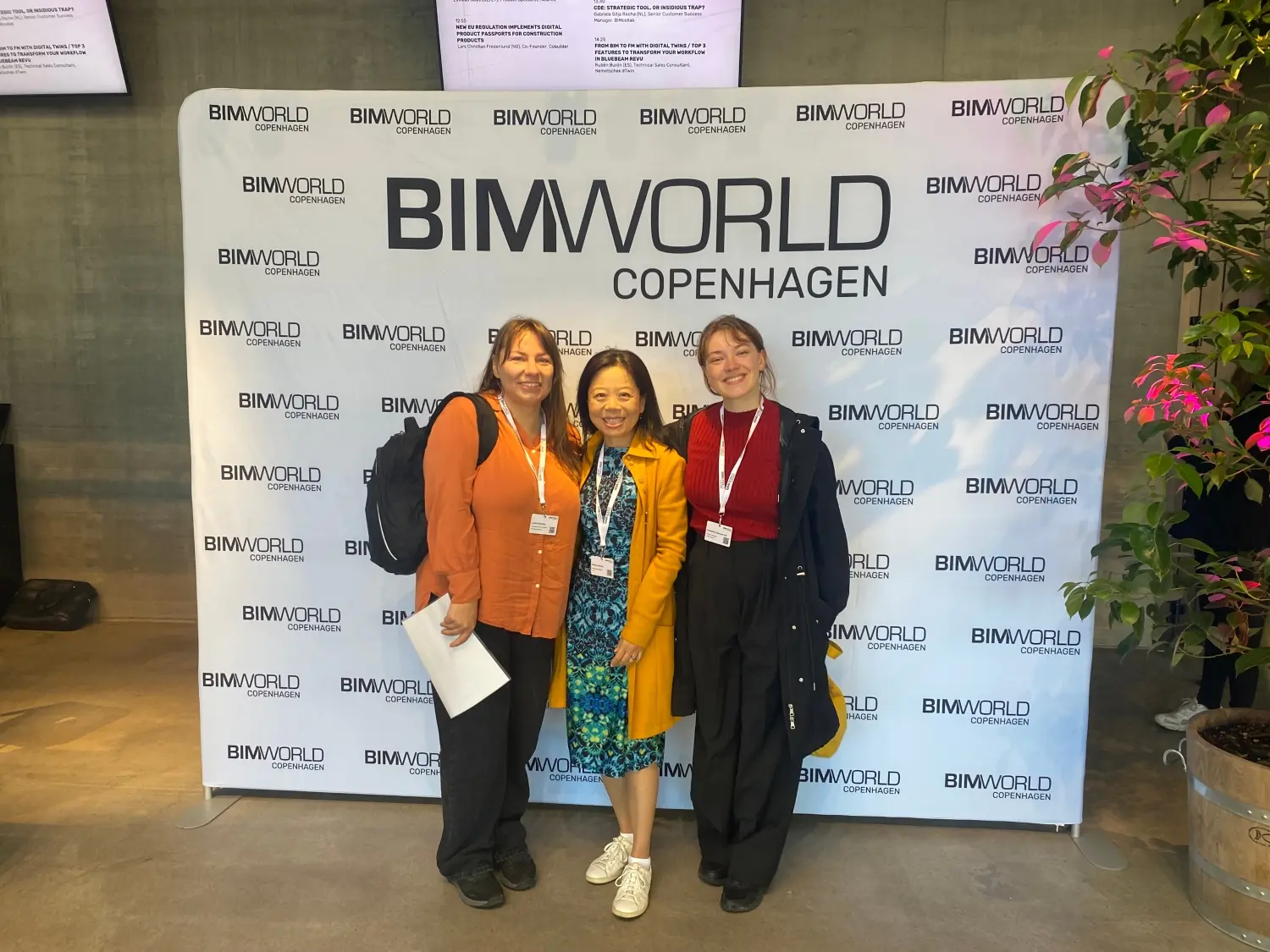
South Baltic Cooperation Highlighted at BIM World Copenhagen
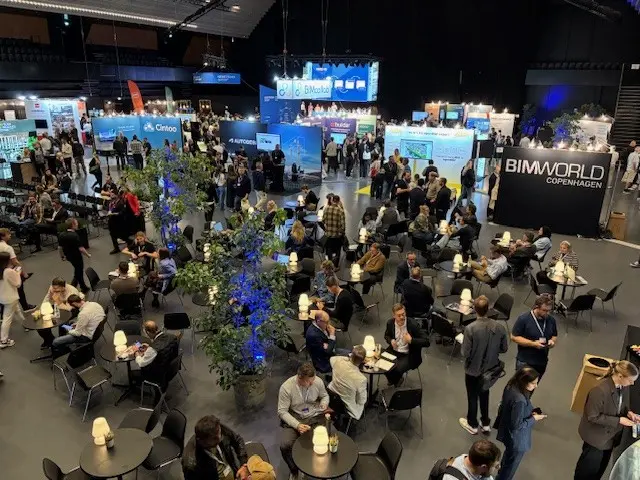
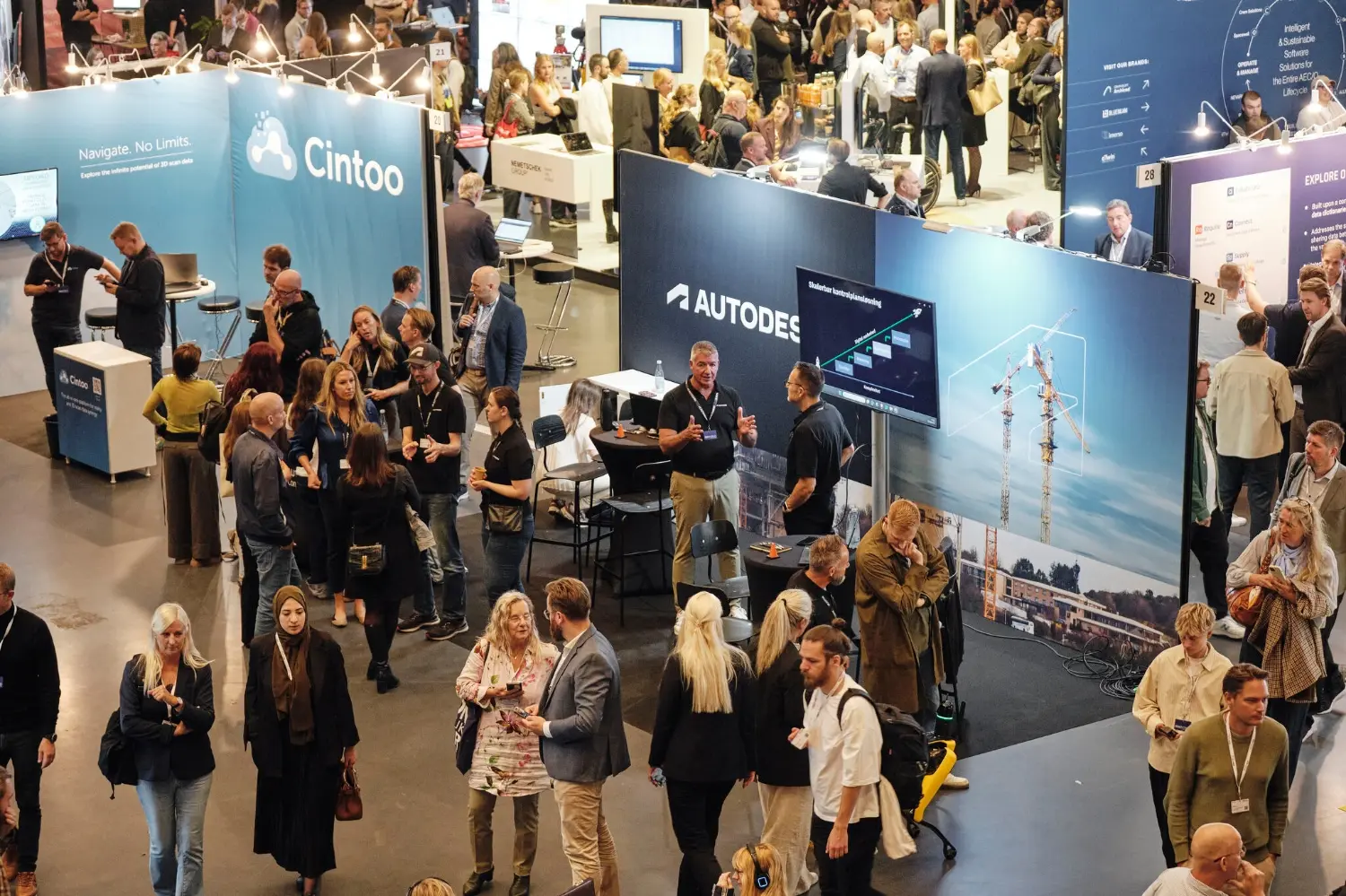
Industrialization and data-driven automation are increasingly recognized as essential steps toward lowering CO₂ emissions, reducing waste, and achieving significant energy savings in the construction sector. These themes were at the forefront at BIM World Copenhagen, where our projectpartners from Denmark, Poland, and Sweden came together to share insights and strengthen collaboration.
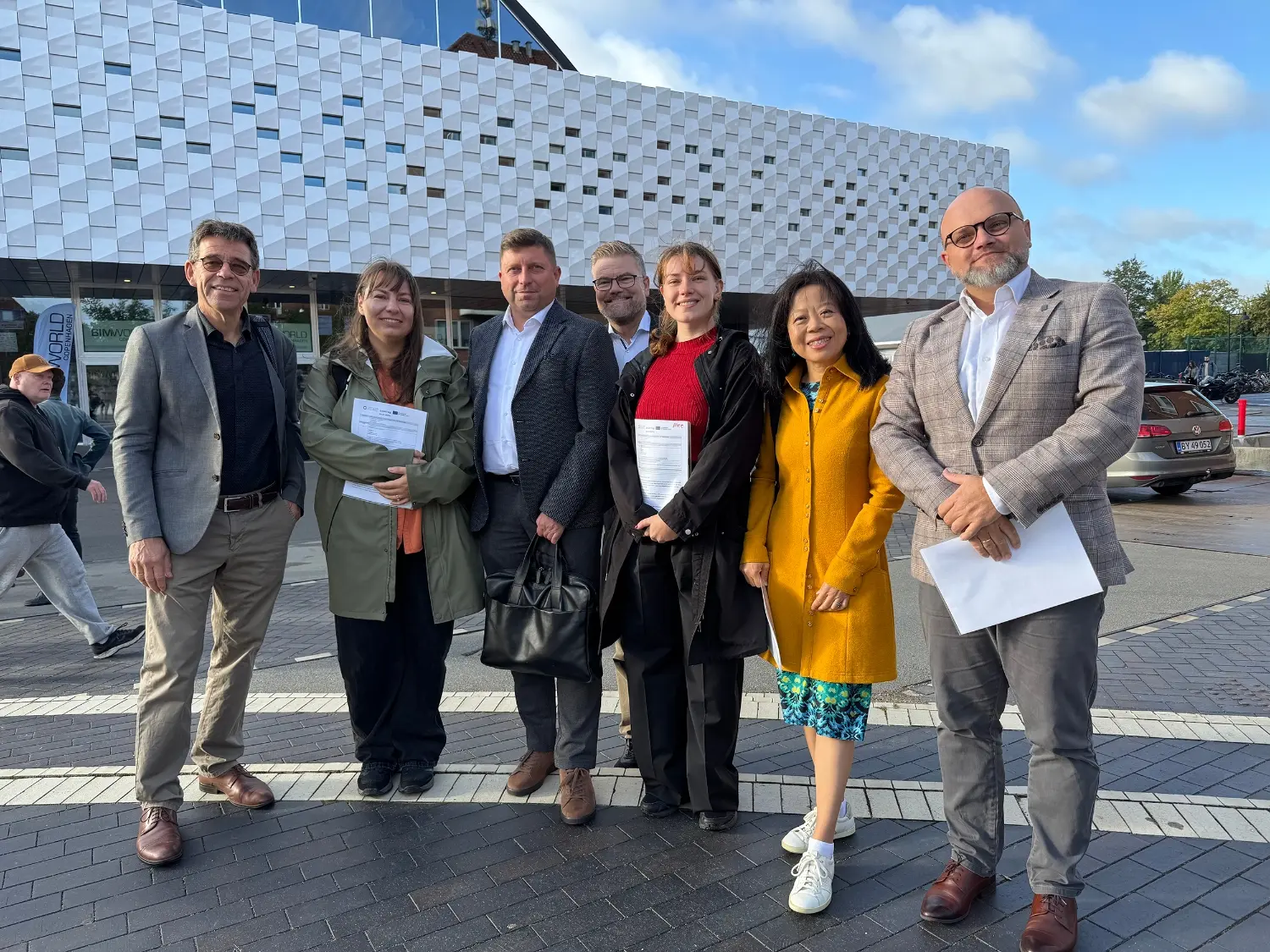
During the event, several strong companies and institutions were present, including Stalkon, Slipform, Eco-Tech Solutions, FOJAB, Lindinvent AB, Lund Municipality, and Malmö University. Among those representing the delegation were Mariusz Złotucha, Daniel Kisala, Rimma Bredikhina, and Ju Liu.
The day was made possible thanks to the support and organization of our partners Alice Petersson from Sustainable Business Hub and Jacek Wojcik from the Northern Chamber of Commerce Szczecin (Północna Izba Gospodarcza).
Looking ahead, the participants expressed a clear ambition to further strengthen South Baltic Cooperation on circularity. By integrating new technologies into the construction sector, the goal is to advance circular practices and contribute to the broader objective of CO₂ reduction.
The discussions at BIM World Copenhagen underscored that reducing waste and emissions in construction is not a task for one country alone. It is an international challenge that requires coordinated action both nationally and across borders.
In this context, the Circular South Baltic project plays a crucial role. It provides a platform for knowledge-sharing and cross-border partnerships, ensuring that innovative solutions can be tested, developed, and scaled across the region. By fostering collaboration between companies, municipalities, and knowledge institutions, the project strengthens the foundation for a more sustainable and circular construction sector.