Gå til sidens indhold

Indhold er hentet

Indhold er hentet

Nyhed | 11. sep. 2025

Danish workshop with NÆSTE

With Denmark’s first Circular South Baltic workshop, Næste ApS set a strong example for circular construction and the reuse of high-quality materials.

Indhold er hentet

Denmark’s First Circular South Baltic Workshop Hosted by Næste ApS

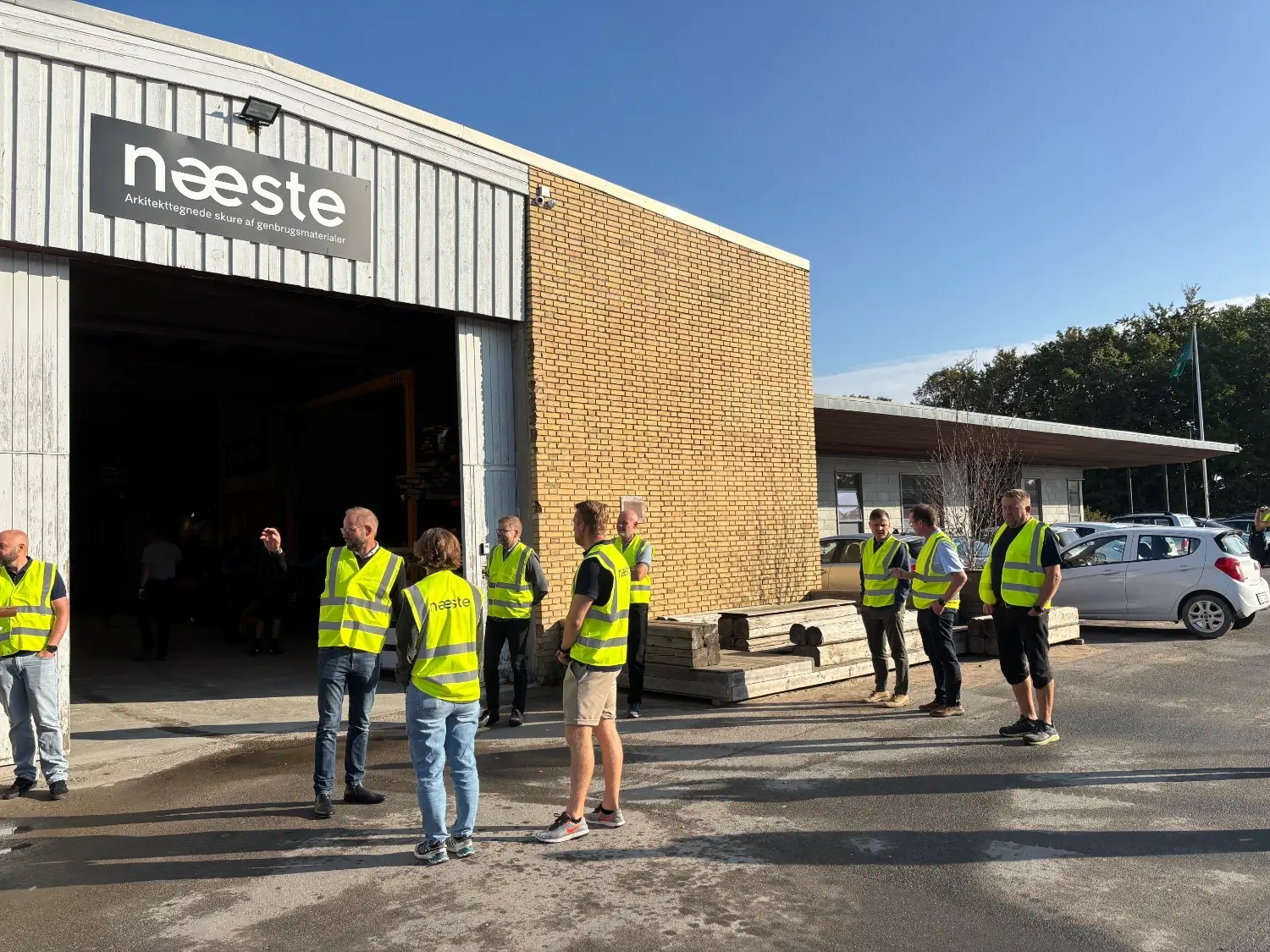
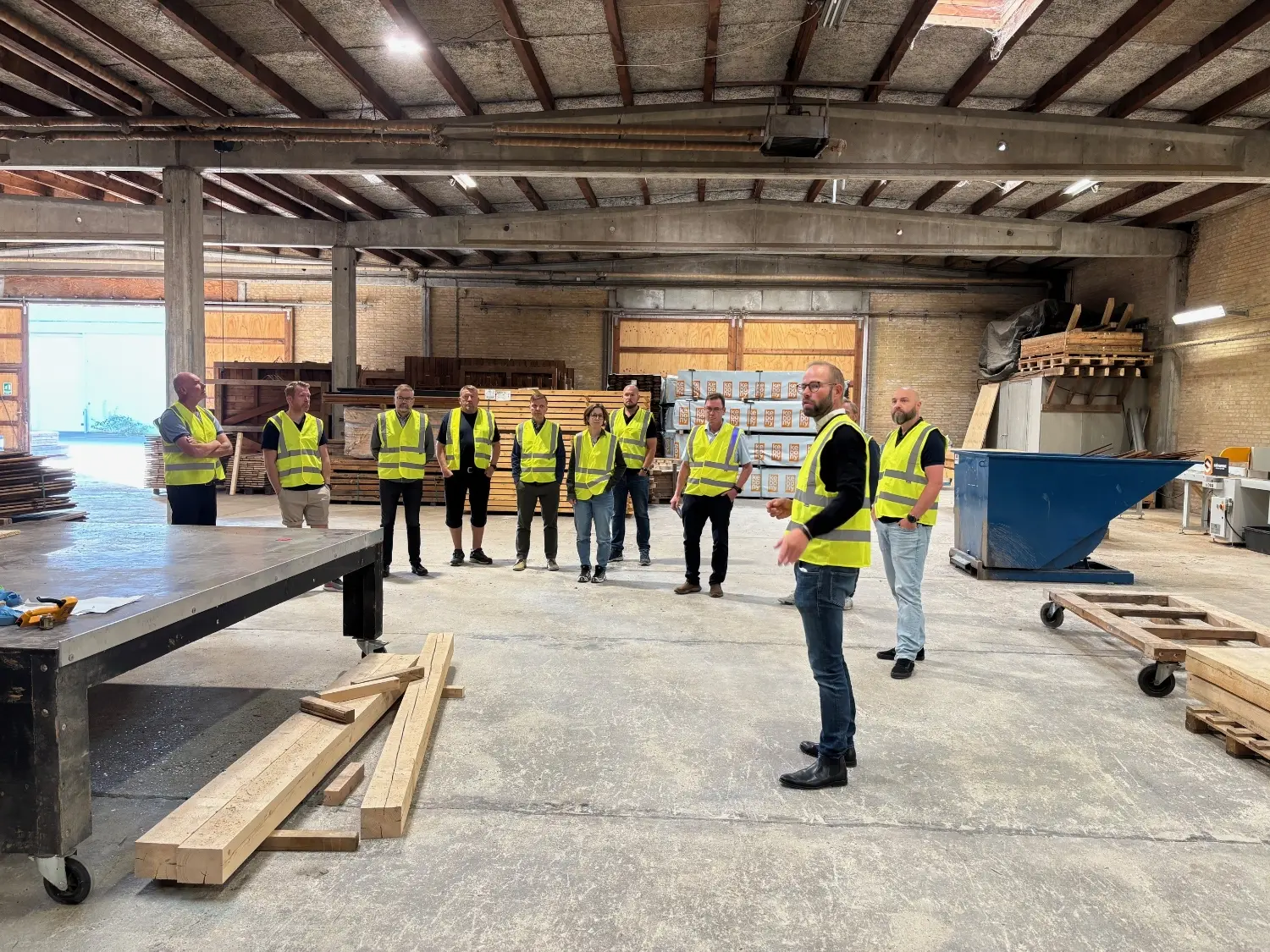
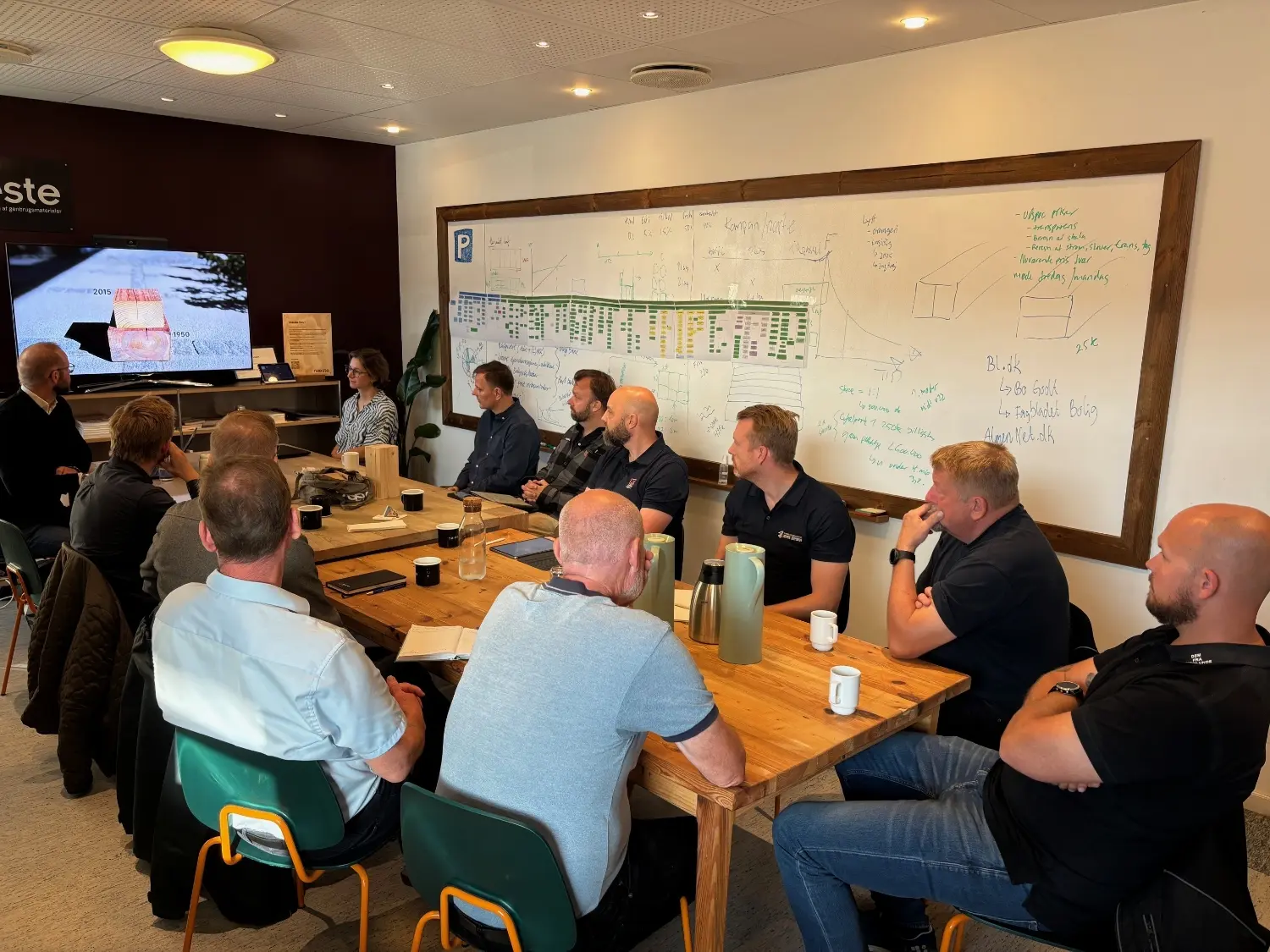
Næste ApS has taken an important step toward circular construction by hosting Denmark’s first workshop under the Circular South Baltic project. The event marked a significant milestone in the effort to reduce waste in the construction sector and to explore new ways of reusing valuable materials.

At the workshop, participants were introduced to how Næste ApS has industrialised the reuse of wood from demolished buildings. This innovative approach is already being applied in the construction of so-called “secondary buildings,” such as bike sheds and communal facilities for housing complexes.

The program also featured contributions on key issues for the future of sustainable construction. These included an overview of the new legal framework for the reuse and recycling of construction materials, international perspectives from the Danish Technological Institute presented by Fabia Baumann and Jesper Lauridsen, and the experiences and ambitions of Danish SMEs working to grow greener both nationally and internationally.

One of the day’s central takeaways was that the greatest obstacles to reuse in construction are not practical, but legal. The discussions also highlighted that reclaimed wood from older buildings often proves to be of higher quality than newly produced materials, underlining the potential of reuse to contribute to both sustainability and durability.

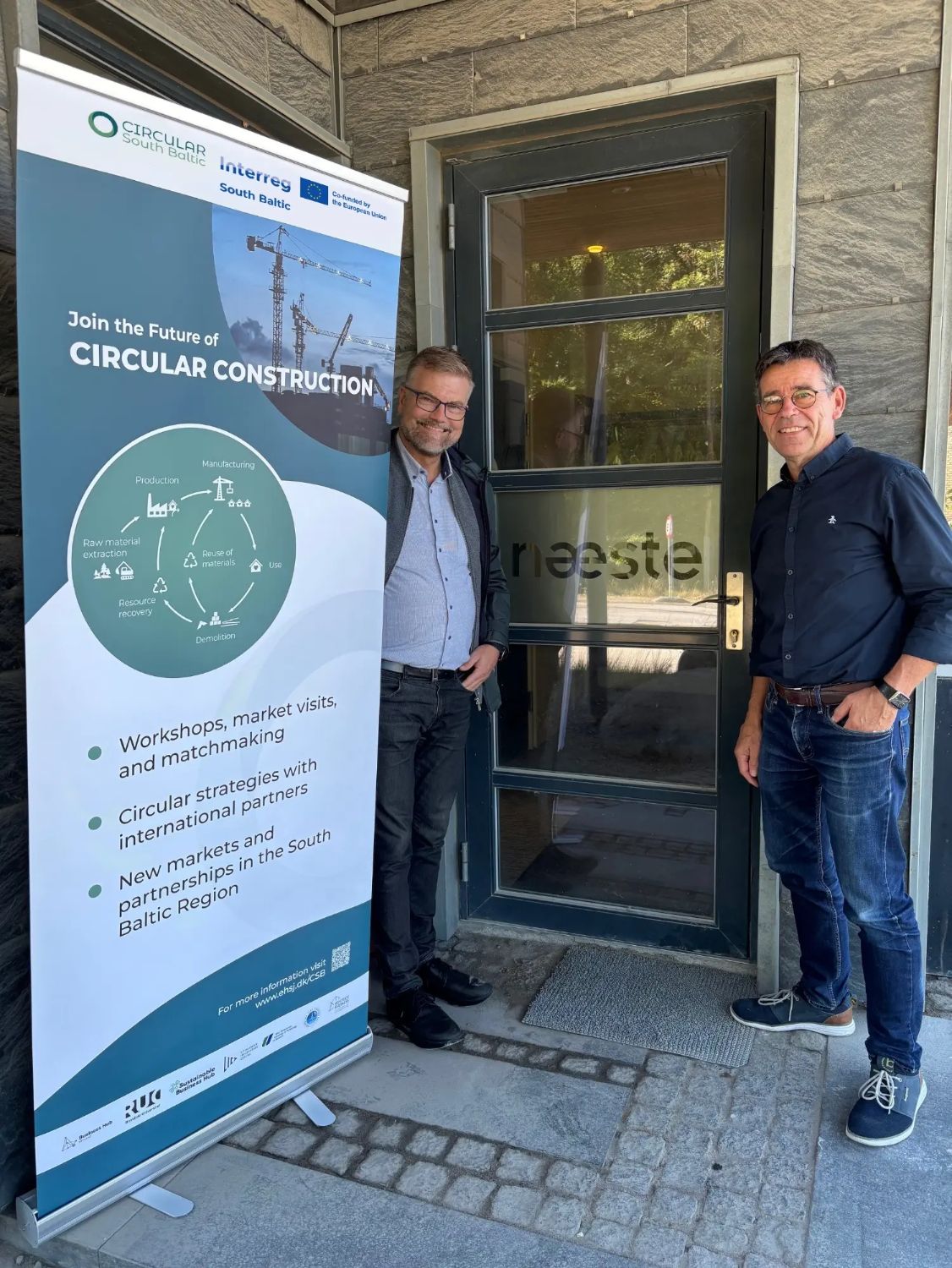
The workshop was made possible thanks to the hospitality of Niels Jakubiak Andersen (CEO) and Heine Th. Larsen (CSO) from Næste ApS, as well as the active participation of Danish SMEs determined to develop their businesses in a more sustainable direction. Their work is urgently needed in a sector where construction accounts for approximately 40 percent of all waste, yet only 4 percent is currently reused or recycled.

Indhold er hentet

The project is co-funded by the European Union through the Interreg South Baltic Programme

Indhold er hentet