Gå til sidens indhold

Indhold er hentet

Indhold er hentet

Nyhed | 21. nov. 2025

How can we accelerate circularity in Poland?

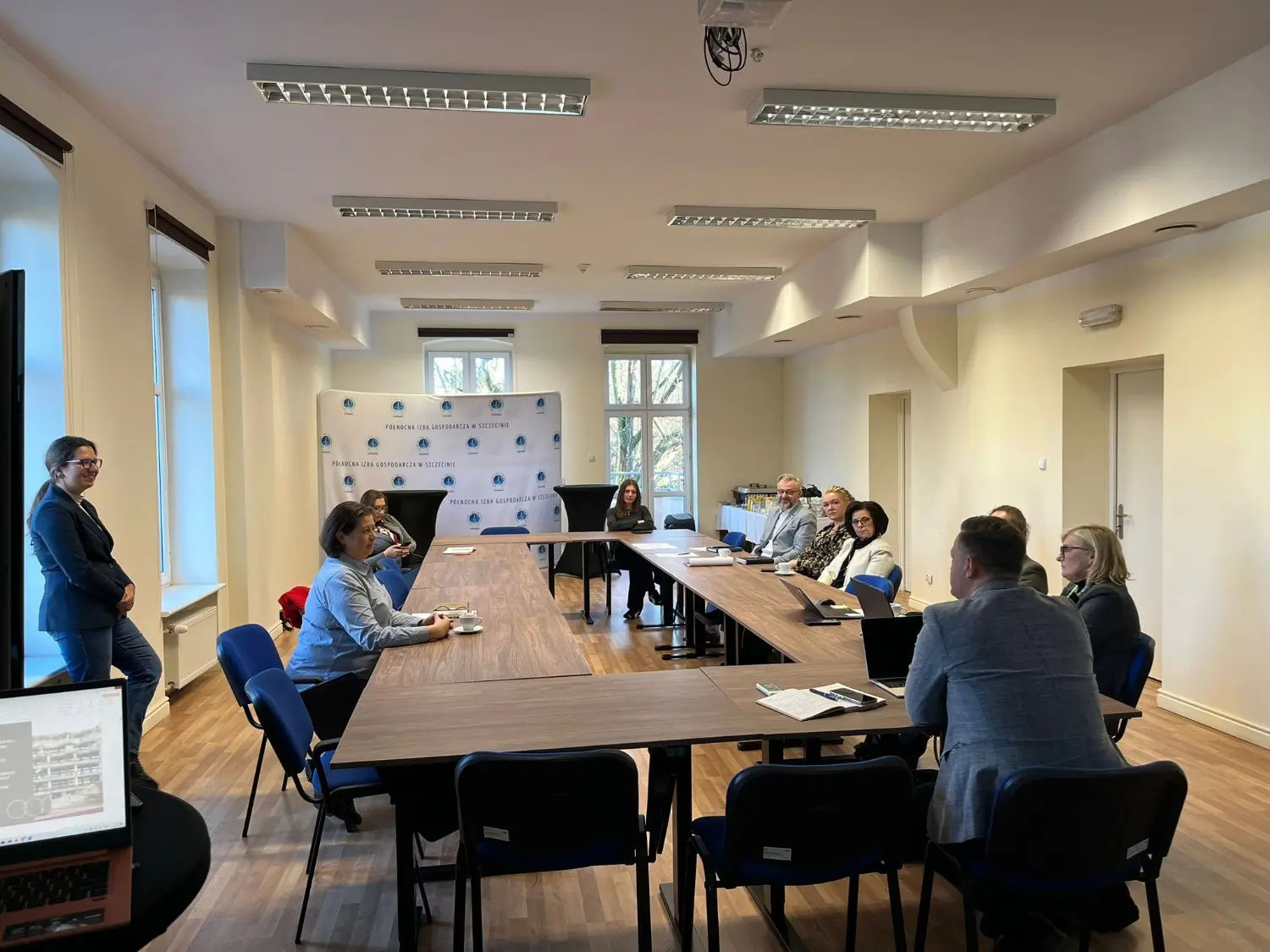
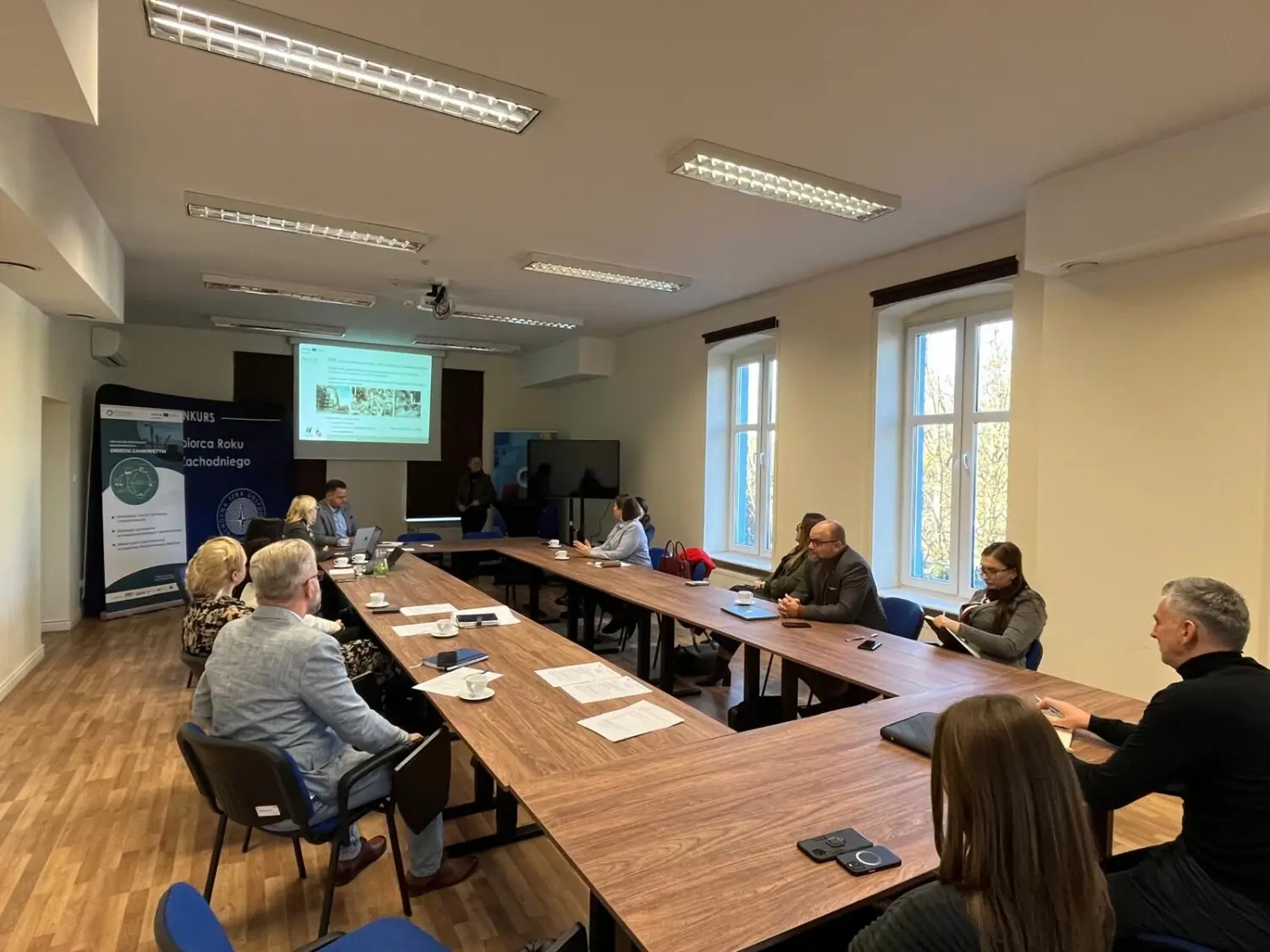
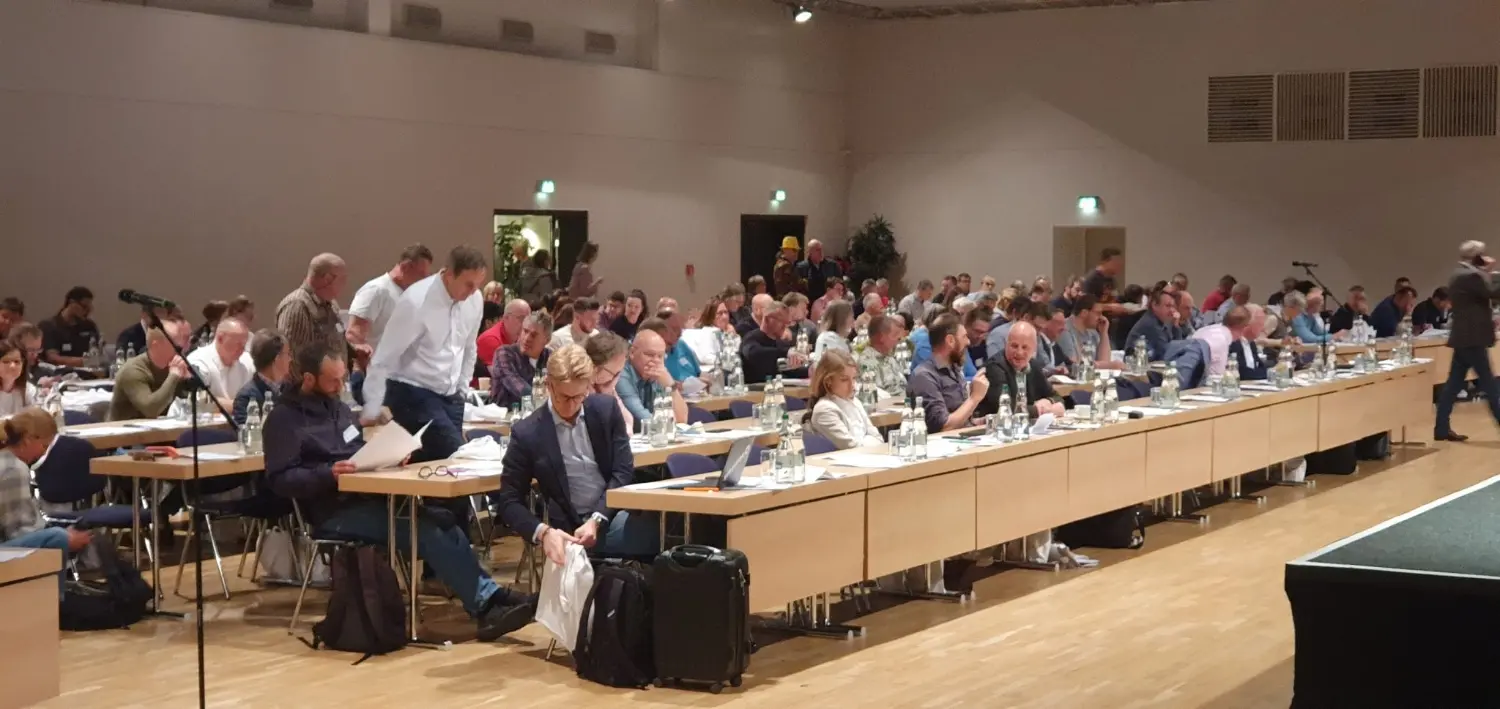
How can we accelerate circularity in Poland? And what needs to be changed to build more from second-hand resources? On November 21 we discussed these topics on a workshop at the Northern Chamber of Commerce, organized as part of our Circular South Baltic project.

Indhold er hentet

The meeting was attended by researchers, entrepreneurs, and representatives of public administration – Among others, Dr. Anna Głowacka, Prof. ZUT, Dr. Karolina Kurtz-Orecka, Łukasz Zemski, Braoin Maclauchlan, and Daniel Kisała shared their knowledge.

Thank you everyone - the diversity of perspectives was extremely valuable! 
 
Many of the observations coincide with ECOS analyses, but we also identified some new challenges and opportunities. 

Indhold er hentet

𝗞𝗲𝘆 𝗰𝗼𝗻𝗰𝗹𝘂𝘀𝗶𝗼𝗻𝘀: 

1️⃣ 𝗧𝗵𝗲 𝘃𝗮𝗹𝘂𝗲 𝗼𝗳 𝗰𝗼𝗺𝗽𝗼𝗻𝗲𝗻𝘁𝘀 𝗱𝗲𝗽𝗲𝗻𝗱𝘀 𝗼𝗻 𝘁𝗵𝗲𝗶𝗿 𝗱𝘂𝗿𝗮𝗯𝗶𝗹𝗶𝘁𝘆 𝗮𝗻𝗱 𝗿𝗲𝘂𝘀𝗮𝗯𝗶𝗹𝗶𝘁𝘆 
Good documentation, quality, and technical condition of components are key to their return to circulation.

2️⃣ 𝗠𝗮𝗻𝘂𝗳𝗮𝗰𝘁𝘂𝗿𝗲𝗿𝘀 𝘀𝗵𝗼𝘂𝗹𝗱 𝗱𝗲𝘃𝗲𝗹𝗼𝗽 𝘀𝗲𝗿𝘃𝗶𝗰𝗲 𝗮𝗻𝗱 𝗿𝗲𝗰𝗼𝘃𝗲𝗿𝘆 𝗺𝗼𝗱𝗲𝗹𝘀 
Inspections, repairs, tests, and component collection systems support the circular economy; extended producer responsibility (EPR) is also important. 

3️⃣ 𝗜𝗻𝘃𝗲𝘀𝘁𝗼𝗿𝘀 𝗻𝗲𝗲𝗱 𝗰𝗹𝗲𝗮𝗿 𝗱𝗲𝗳𝗶𝗻𝗶𝘁𝗶𝗼𝗻𝘀 
A lack of awareness of when a material is a product and when it is waste means that valuable resources are too quickly categorized as “waste.” 

4️⃣ 𝗧𝗵𝗲𝗿𝗲 𝗶𝘀 𝗮 𝗹𝗮𝗰𝗸 𝗼𝗳 𝗶𝗻𝘀𝘂𝗿𝗮𝗻𝗰𝗲 𝗮𝗻𝗱 𝗴𝘂𝗮𝗿𝗮𝗻𝘁𝗲𝗲𝘀 𝗳𝗼𝗿 𝘂𝘀𝗲𝗱 𝗺𝗮𝘁𝗲𝗿𝗶𝗮𝗹𝘀 
The financial market is not ready for second-hand components — this is a significant barrier. 

5️⃣ 𝗔 𝗰𝗵𝗮𝗻𝗴𝗲 𝗶𝗻 𝗮𝗽𝗽𝗿𝗼𝗮𝗰𝗵 𝘁𝗼 𝗮𝗲𝘀𝘁𝗵𝗲𝘁𝗶𝗰𝘀 𝗮𝗻𝗱 𝗱𝗲𝘀𝗶𝗴𝗻 𝗶𝘀 𝗻𝗲𝗲𝗱𝗲𝗱 
Diversity and “signs of use” should be an accepted part of circular aesthetics. 

6️⃣ 𝗣𝘂𝗯𝗹𝗶𝗰 𝗽𝗿𝗼𝗰𝘂𝗿𝗲𝗺𝗲𝗻𝘁 𝗰𝗮𝗻 𝗱𝗿𝗶𝘃𝗲 𝗰𝗵𝗮𝗻𝗴𝗲 
The administration can test and promote circular solutions. 

7️⃣ 𝗚𝗼𝗼𝗱 𝗱𝗲𝘀𝗶𝗴𝗻 𝗶𝘀 𝗰𝗶𝗿𝗰𝘂𝗹𝗮𝗿 𝗯𝘆 𝗻𝗮𝘁𝘂𝗿𝗲 
Willa Lentza shows that durability and quality of workmanship are the best form of closed loop. 

Indhold er hentet

Circular South Baltic is co-funded by the European Union - Interreg South Baltic Programme

Indhold er hentet